Sovereign Cloud Solutions
An Architectural Perspective on Data, Operations, and AI Sovereignty
(A 2-minute read)
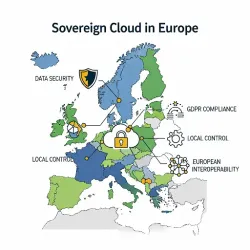
In an era defined by data, the concept of digital sovereignty has become paramount for nations and enterprises alike. For Germany, a powerhouse of industry and a key player in the European Union, maintaining control over its digital destiny is not just a strategic advantage; it's a necessity. This article explores the architectural and strategic dimensions of achieving data, operational, and AI sovereignty within the German and broader EU context, focusing on the role of modern cloud platforms.
- The Imperative for Digital Sovereignty
- Decoding Cloud Sovereignty Definitions & Pillars
- The German & EU Landscape Regulations & Initiatives
- Sovereignty Cloud Model & Providers [DE]
- Architecting for Sovereignty Key Considerations
- Use Cases Across German Industries
- Strategic Benefits vs. Challenges
- The Road AheadFuture Trends
- Conclusation & Takeaways
WHY need Sovereignty Cloud
The real life impacts
- Pace of Digital Transformation
- The accelerated pace of digital transformation is reshaping businesses globally, driven by the need for agility and innovation.
- Organizations are increasingly adopting digital strategies to stay competitive and meet evolving customer expectations.
- Ubiquity of Cloud Computing
- Cloud computing has become ubiquitous, offering flexible, scalable, and accessible solutions for businesses and individuals.
- The cloud enables seamless access to data and applications from anywhere, enhancing productivity and collaboration.
- Data as a Strategic Asset
- Data is now recognized as a strategic asset, essential for driving business insights, innovation, and competitive advantage.
- Organizations are leveraging data to improve decision-making, optimize operations, and create new revenue streams.
Key Drivers of Digital Sovereignty
Growing reliance on global tech set a need for control
Regulatory pressure
- GDPR Enforcement
- Ongoing strict enforcement of GDPR across the EU, with significant fines and penalties for non-compliance.
- Landmark rulings like Schrems II invalidating the EU-US Privacy Shield, impacting transatlantic data flows.
- Emerging EU Acts
- Data Act: Aims to enhance data sharing and innovation while ensuring data protection [DataAct]
- AI Act: Establishes a framework for the safe and ethical use of AI technologies.
- NIS2 Directive: Strengthens cybersecurity measures across the EU, focusing on critical infrastructure.
- EU-US Data Transfers
- The EU-US Data Privacy Framework faces challenges and scrutiny, with ongoing concerns about US surveillance practices.
- Organizations are leveraging data to improve decision-making, optimize operations, and create new revenue streams.
- Geopolitical Landscape
- Data localization trends are increasing globally, driven by concerns over foreign government access to data.
- The US CLOUD Act raises concerns in the EU about potential access to data by US authorities.
- Security & Risk Management
- Rising cyber threats necessitate robust protection for critical infrastructure (KRITIS) and sensitive data (IP, PII, health data).
- Ensuring the security of critical sectors like energy, health, and finance is paramount.
- Business Needs
- Building trust with customers and citizens by ensuring data privacy and security.
- Avoiding vendor lock-in and maintaining control over core assets.
- Germany Specific Focus
- High cultural value placed on data privacy (Datenschutz).
- Strong Mittelstand (SMEs) needing protection to foster innovation.
- Critical industries like Automotive, Manufacturing/Industrie 4.0, Health, and Finance require stringent data protection measures.
- Significant public sector requirements for data security and privacy.
- Official sources to monitor:
- Federal Data Protection Commissioner.
- German Coalition Agreement 2025
- Federal Ministry for Economic Affairs and Climate Action
- Federal Ministry of Health, Federal Ministry of Finance, Federal Ministry for Economic Affairs and Climate Action.
- Federal Ministry of the Interior.
If you want to learn more on the topic - book a consulation, please. It's free!